Introduction: What is our problem?
Teachers and parents are facing an epidemic in the classroom today. In the United States there is a growing number of students who are becoming dysfunctional in the classroom, particularly at the high school level. This growing population refuses to engage is class activities, doesn’t do their home work, and often times is disruptive in the classroom. In general these students show no interest in participating in school, when they do, it is to do the absolute minimum that is required to pass a course.
Every teacher that I have ever had a professional relationship with has at one time or another talked about student motivation, more specifically the lack there of. Often times these conversations will be littered with frustration about one or more students. The students in question will be more than capable of doing the work and probably do understand the lesson, but for whatever reason they are just not participating. They seem to lack the motivation needed to succeed scholastically. In many of the students we will find that their apathy in school is a reflection of the attitude that they have out side of school.
I chose to focus my attention on the lack of motivation in students due in part to my own frustrations as a teacher, but also because of the sense of responsibility that I feel for the future of our society. School for young children and especially for adolescents is a time for them to explore their boundaries, acquire skills, and develop an identity that they will carry with them into adulthood. When a student is disruptive, non-engaging, or failing in school all too often the blame is placed on the child’s shoulders. The student will be labeled as a bad seed, developmentally challenged, or just plain lazy. I however challenge the readers of this site to think of this problem a different way.
A student cannot be expected to know how to process everything that is thrown at them in school for the better part of two decades that they are students. How can one mind be expected to retain all of the information that they are inundated with, yet for some reason educational society expects them to. 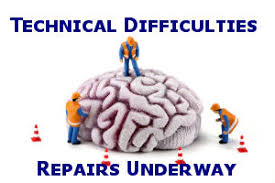 Most of the information that these students are fed are arbitrary facts that some expert has decided should be included in their education; not because it will be useful to the student but because we needed some measurement to assess them by. This fact has become more and more prevalent as the US has shifted further into the reliance of standardized testing. Students are not stupid; most of those them realize that what they learn in school has very little bearing on what they hope to do with their lives in the future. The problem then arises when the students say, “enough is enough” and just stop playing the part of “good” students.
As a teacher I find it increasingly difficult to have my students engage in classroom activities. Is this the fault of the students? Emphatically NO! It is my job and my responsibility to find ways to help the students learn. Primary and secondary education are designed to give students a good foundation that our children can use to build their future lives on. The learning process never stops, people will continue to learn new things throughout their lives, but they have to know how to learn. That is the basis of why students are sent to school at such a young age; students come to school to learn how to learn.
The question is then: How do we as parents and educators achieve the implementation of a learning process in our students? How do we get the student to want to develop their own learning process? How do we motivate them?
In this site we will explore varying aspects of student motivation. Diving into the realms of the effects of lack of proper motivation and its causes. We will review psychological theories that might lend credence to our approach and help us in understanding a student’s perspective. Together we will examine techniques used to properly instill the drive to learn in our young learners and point out some of the pitfalls that should be avoided.
Remember when a student is properly motivated they are easier to teach, but each student has different things that motivate them. Not every student cares about grades or realizes their importance. We are here to explore not just the how of motivating students, but also what stops them from self-motivation.

 Murray's Means for Motivation